Loading...
Serving Ridgecrest, CA and surrounding areas. (442) 294-1830
Ridgecrest sun and dry air destroy unprotected wood fast. We stain and seal fences using products rated for Mojave UV and heat - so your fence stays solid and looks good for years, not one season.
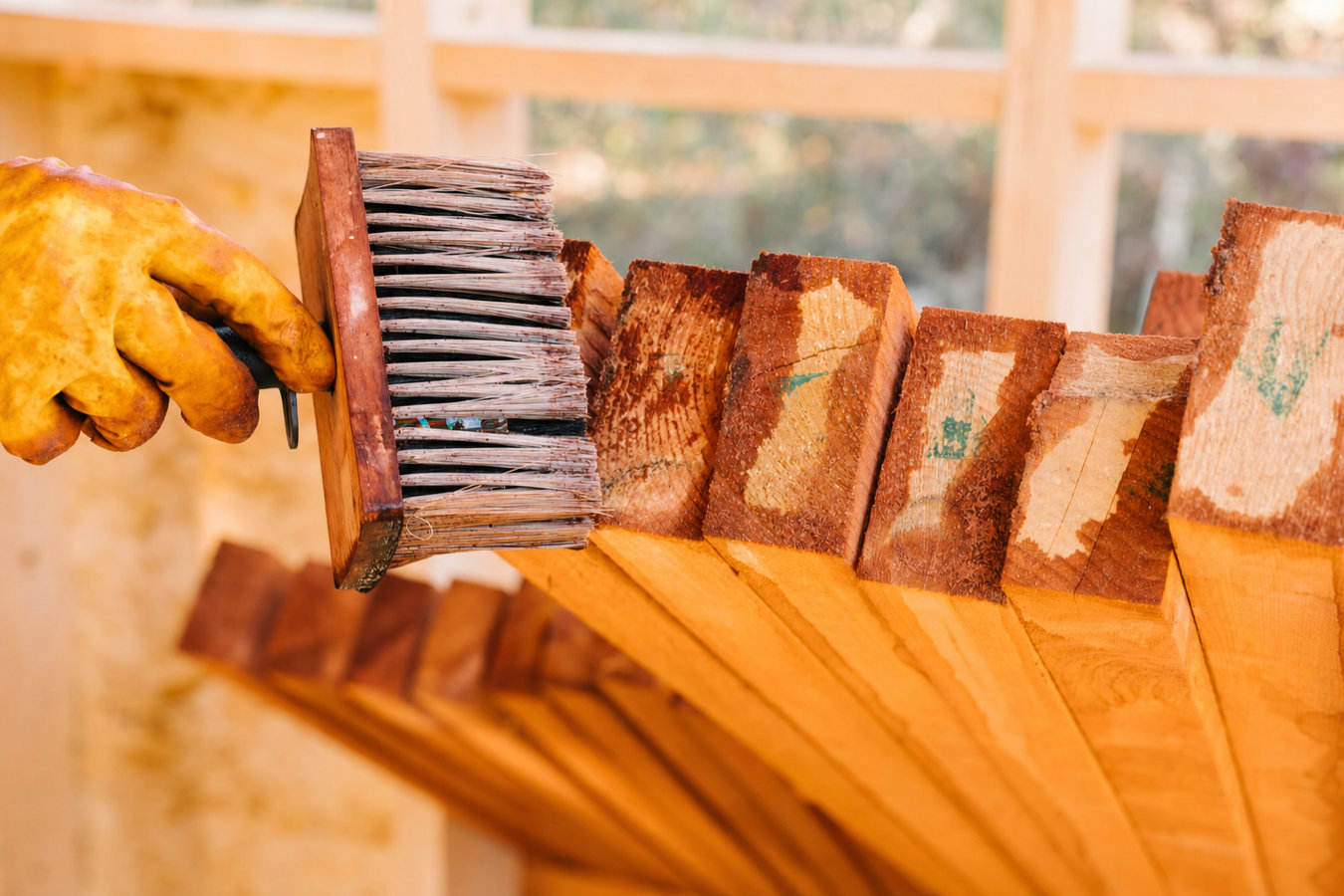
Fence staining and sealing in Ridgecrest means cleaning the fence thoroughly, removing mineral deposits and old flaking product, letting the wood dry completely, and then applying a penetrating stain and water-resistant sealer. Most residential fences are completed in one day, and the wood is ready for normal use within 24 to 72 hours after the product cures.
If you have a wood fence in Ridgecrest, staining and sealing is the single most cost-effective thing you can do to extend its life. The Mojave Desert sun is one of the harshest environments for wood in all of California - boards that are left unprotected gray out, crack, and start absorbing moisture within just a couple of years. Catching the fence before deep cracks form is the difference between a maintenance job and a full replacement. If your fence has gotten to the point where repairs are needed first, our fence replacement service can handle that before the staining work begins. For fences that just need a fresh coat of protection, we can usually schedule within a week or two of your call.
The prep work is what separates a finish that lasts two years from one that peels in six months. In Ridgecrest especially, hard water mineral buildup and years of desert dust sitting on the surface have to come off before any product goes on - otherwise the stain bonds to the deposits instead of the wood.
When a wood fence loses its warm brown tone and goes flat gray, the sun has broken down the surface fibers. Under Ridgecrest's intense desert sun, this happens faster than almost anywhere else in California. The gray color is not rot yet - but it means the wood is now unprotected and absorbing whatever comes at it. Catching it at this stage, before cracks form, is the most cost-effective time to stain and seal.
Long, thin cracks running with the grain are a sign the boards have dried out and started to split. Ridgecrest's very low humidity pulls moisture from wood faster than in wetter California climates. Water gets into those cracks during rain events and sits there, starting rot from the inside. If the cracks are shallow, staining and sealing can still protect the wood - if they are deep, some boards may need to be replaced first.
Flick a little water onto the fence. If it soaks in and darkens the wood immediately, the sealer is gone. In Ridgecrest, where sprinkler systems run regularly to keep yards alive, an unsealed fence can absorb a surprising amount of water over a season. Each watering cycle that soaks into unprotected wood speeds up the cracking and rot timeline significantly.
A white, chalky residue near the base of the fence or in sprinkler zones is mineral buildup from Ridgecrest's hard water supply. Those deposits sit on the surface and prevent stain from bonding properly - and they trap moisture against the wood when the sprinklers run. If you see this on your fence, a thorough cleaning before staining is essential, not optional.
Every staining job we do starts with a cleaning step - no exceptions. We wash off dirt, mildew, old flaking product, and hard water mineral deposits before any stain goes on. In Ridgecrest, where sprinkler systems deposit calcium and magnesium on fence surfaces year after year, this prep step is the single biggest factor in how long the finish lasts. We use penetrating oil-based stains rather than paint-style surface coatings, because penetrating stains soak into the wood and fade gradually rather than peeling in sheets when the desert heat causes the boards to expand and contract. If your fence is made of cedar - which is oily by nature - we use a product formulated to penetrate through those oils rather than sit on top of them.
For fences that need board repairs or post fixes before staining makes sense, we handle that first. If the fence has deteriorated to the point where repairs are not practical, we will let you know and can transition directly to a fence replacement conversation so you are not spending money on a coat of stain over wood that is already failing. If your home has a wood fence installation that is newer but already showing early desert weathering, we can set you up on a maintenance schedule so the wood never gets to the failing stage.
Complete pressure wash, mineral deposit removal, drying period, and full stain and sealer application - the right call for fences that have not been treated in two or more years.
For fences that were stained within the last couple of years and just need the protection topped up - a lighter clean and a single coat to restore the water-beading barrier.
For fences with peeling or flaking old product that has to come off before a new coat will bond - suited to properties where a paint-style finish was used previously and needs to be removed.
Board replacements or post repairs done first, then a full stain job on the complete fence - so the repaired sections match the existing wood and everything gets protected in one visit.
Ridgecrest sits in the Mojave Desert, where summer temperatures regularly exceed 105 degrees Fahrenheit and the UV index is extremely high for months at a stretch. That combination dries out wood fibers and fades stain faster than in coastal or inland valley California climates. A fence that might go four years between coats in Sacramento may need attention after two years in Ridgecrest. The dry air itself is damaging - even without rain, low humidity pulls moisture from wood and causes it to crack along the grain. Add in the occasional strong wind events that blast grit and fine desert sand against fence surfaces, and the conditions here are genuinely harder on exterior wood than most homeowners expect. Homeowners in areas like China Lake Acres deal with these same conditions, and many have found that getting on a regular two-to-three-year staining schedule is the most cost-effective way to protect their investment.
There is another factor specific to Ridgecrest that most homeowners do not think about until they see the problem: hard water. The groundwater supply here has high mineral content, and if your fence is in a sprinkler zone, those minerals have been depositing on the surface every time the system runs. By the time you are ready to restain, there can be a visible layer of calcium and magnesium sitting on the wood that will prevent the new stain from bonding unless it is removed first. Newer subdivisions near the base, and communities farther out like Inyokern, share similar water quality conditions. A contractor who skips this prep step is not giving your fence the protection you are paying for - and the finish will show it within the first year.
We will ask for your fence length, the type of wood if you know it, and a few photos if you can send them. Most estimates can be given over the phone or after a quick walkthrough - we reply within one business day.
We walk the fence line to check the wood condition, look for mineral buildup, and identify any boards that need replacing before staining. The estimate accounts for your actual fence and soil conditions - no surprises on the final number.
The crew washes the fence, strips mineral deposits and old flaking product, and lets the wood dry completely - typically 24 hours in Ridgecrest's dry air. Clear the fence line of patio furniture and planters before we arrive to keep things moving.
The stain and sealer go on once the wood is clean and dry. Most residential fences take one full day to coat. We do a walkthrough with you before we leave, let you know the curing window for the product used, and tell you when to expect to restain again.
Free estimate, no pressure. We will walk your fence line and give you a straight answer on what it needs.
(442) 294-1830Not every stain on the market holds up under Ridgecrest's UV intensity. We use penetrating exterior finishes formulated specifically for high-UV desert environments - the same extreme-sun conditions that eat through standard products in a single season. That means your finish lasts the two to three years it should, not just one summer.
We treat mineral deposit removal as a required step - not an upsell - because Ridgecrest's hard water makes it necessary for any lasting result. A finish applied over calcium buildup will fail within months. We clean it off first so the stain actually bonds to wood rather than to mineral scale.
If your fence has deteriorated past the point where staining will help, we will tell you that upfront rather than take your money for a coat of stain over wood that is already failing. You get a straight recommendation, whether that is a stain job, board repairs, or a full replacement conversation. The American Fence Association holds member contractors to a code of ethics that aligns with this kind of straightforward approach.
Several Ridgecrest subdivisions - particularly those developed in the 1990s and 2000s near the China Lake area - have active HOAs with rules about fence colors and finish types. We know the local HOA landscape and will help you pick a stain that meets your association requirements before we open a can, so you are not looking at a violation letter after the work is done.
Ridgecrest is our home market - we know the soil, the water, and the sun conditions here better than a contractor brought in from outside the area. That local knowledge shows up in every prep decision and product choice we make on your job.
When staining is no longer enough - full fence removal and new installation from the ground up.
Learn MoreNew wood fence construction built for desert conditions, with material and finish guidance included.
Learn MoreSpring is the best window for staining in the desert - and our schedule fills fast. Call today or request a free estimate to lock in your date.